 Wood Lane Primary School
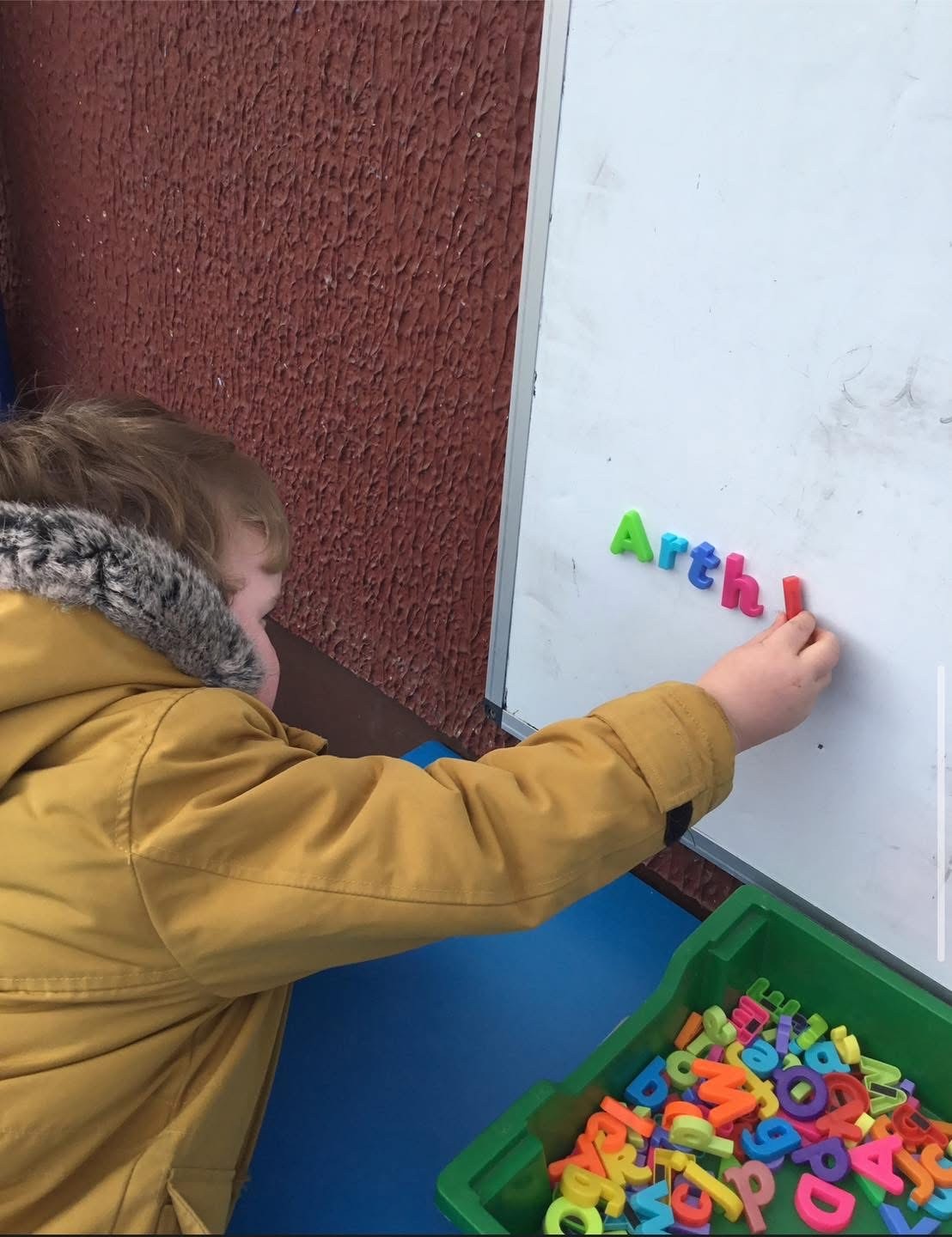
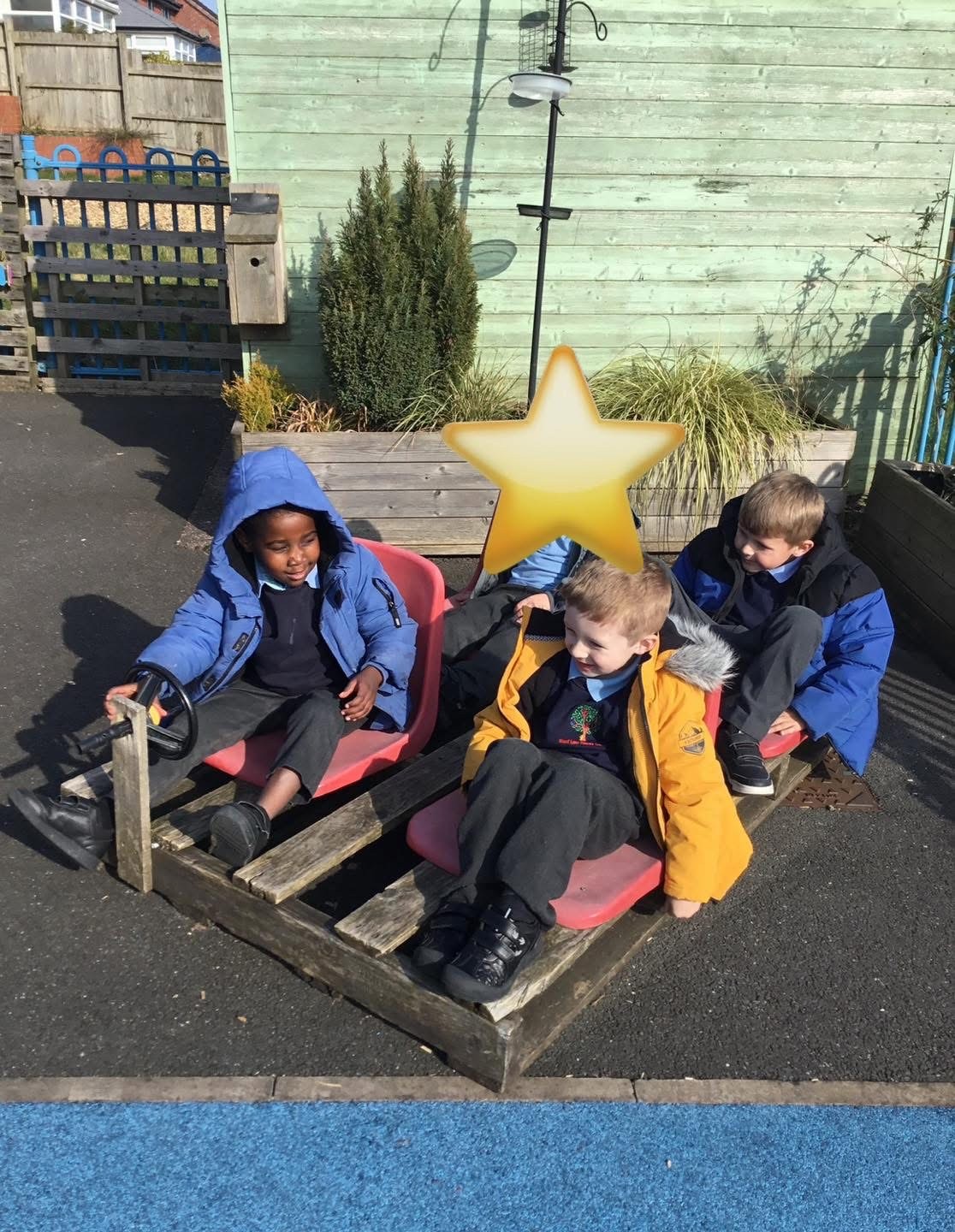
We are proud of our Early Years provision. Starting school can feel like a big step for children and families. Our experienced staff work hard to make the transition positive, welcoming and happy, while building strong relationships with children, parents, carers and previous early years settings.
We are updating our Early Years approach in line with the revised EYFS statutory framework, with particular attention to safeguarding and welfare, while retaining the play-based, child-centred approach that is central to our provision.
Our Early Years at a glance
Nursery
A standalone Nursery class where children learn through carefully planned play, exploration, routines, relationships and adult interaction.
Play & exploration Communication Independence Outdoor learningReception
Reception is taught in a mixed Reception, Year 1 and Year 2 class. Children continue to receive an EYFS-appropriate curriculum, adapted to their age, stage and individual needs.
EYFS curriculum Small groups Guided play Targeted teachingHow children learn at Wood Lane
Our teaching combines high-quality adult interaction with purposeful play and opportunities for children to explore, practise, revisit and apply what they know. In our mixed-age Reception class, teachers use a range of approaches so that Reception children can access the EYFS curriculum while learning alongside older pupils.
Adult-led teaching
Carefully sequenced teaching introduces new knowledge, vocabulary and skills.
Purposeful play
Children use play to practise, explore and apply developing knowledge and skills.
Child-initiated learning
Children follow their interests, make choices and develop independence.
Small-group learning
Targeted teaching allows adults to respond to children's individual needs.
Modelling & scaffolding
Adults demonstrate, support and gradually step back as children's confidence grows.
Outdoor learning
Children have rich opportunities to learn through movement, investigation and first-hand experiences.
Our curriculum
The EYFS curriculum is organised around seven areas of learning. The three Prime Areas are particularly important for building strong foundations, while the Specific Areas broaden children's knowledge and understanding.
Communication & Language
Listening, attention, understanding, speaking, vocabulary and meaningful conversations.
Personal, Social & Emotional Development
Confidence, relationships, emotional regulation, independence and resilience.
Physical Development
Gross and fine motor skills, coordination, strength, control, health and independence.
Literacy
Stories, books, phonics, comprehension, mark-making, writing and a love of reading.
Mathematics
Number, mathematical language, reasoning, problem solving, pattern, shape and measure.
Understanding the World
People, families, communities, cultures, places, nature, technology and change.
Expressive Arts & Design
Art, music, movement, dance, imagination, role play and creative exploration.
What the 2026 EYFS update means for your child
The revised EYFS framework takes effect for group and school-based providers from 1 September 2026. The main changes strengthen safeguarding and welfare requirements rather than changing the seven areas of learning.
Safer care
Clearer statutory wording around safer sleep and strengthened welfare arrangements.
Safer eating
Careful attention to children's dietary needs, food safety, allergies and safe eating practices.
Safeguarding
Strengthened requirements around suitability, safeguarding checks and reporting allegations of harm.
Online & screen use
Providers must have regard to guidance on children's screen use in early years settings.
Supporting a confident start to school
Our induction programme helps children and families become familiar with Wood Lane before the start of school. This includes parent information, visits and opportunities to meet staff, with arrangements reviewed each year to reflect current needs and safeguarding requirements.
- Visits and transition opportunities before starting school.
- Information to help families prepare for school life.
- Communication with your child's previous pre-school or early years setting, where appropriate.
- A focus on relationships, routines, independence and emotional security.
Working with families
We believe children learn best when home and school work together. We welcome parents and carers as partners in their child's learning and development and encourage regular communication about interests, achievements, progress and any concerns.
We will know our children, listen to them, value their individuality and provide an environment where they can feel safe, develop confidence, take appropriate risks, make mistakes, ask questions and succeed.
Assessment in Reception
Assessment is an ongoing part of teaching. Staff observe children, talk with them, notice what they know and can do, and use this information to shape future learning. At the end of Reception, the statutory EYFS Profile is completed against the Early Learning Goals. The Early Learning Goals are used for assessment and are not the curriculum itself.
Find out more
Our full EYFS policy and safeguarding policies provide more detail about how these arrangements work in practice. The 2026 update is based on the Department for Education's EYFS statutory framework for group and school-based providers, Keeping Children Safe in Education 2026 and Working Together to Safeguard Children 2026.